For many students at Youth Off The Streets schools, the Duke of Edinburgh’s International Award has become a defining part of their education.
Youth Off The Streets schools are some of the only special assistance schools (SAS) in Australia to offer the program.
What begins as a way of logging weekly hours in physical recreation, skills and voluntary service becomes, over time, a program that connects students across our schools, pushes them beyond what they think they can achieve and opens possibilities for their futures.
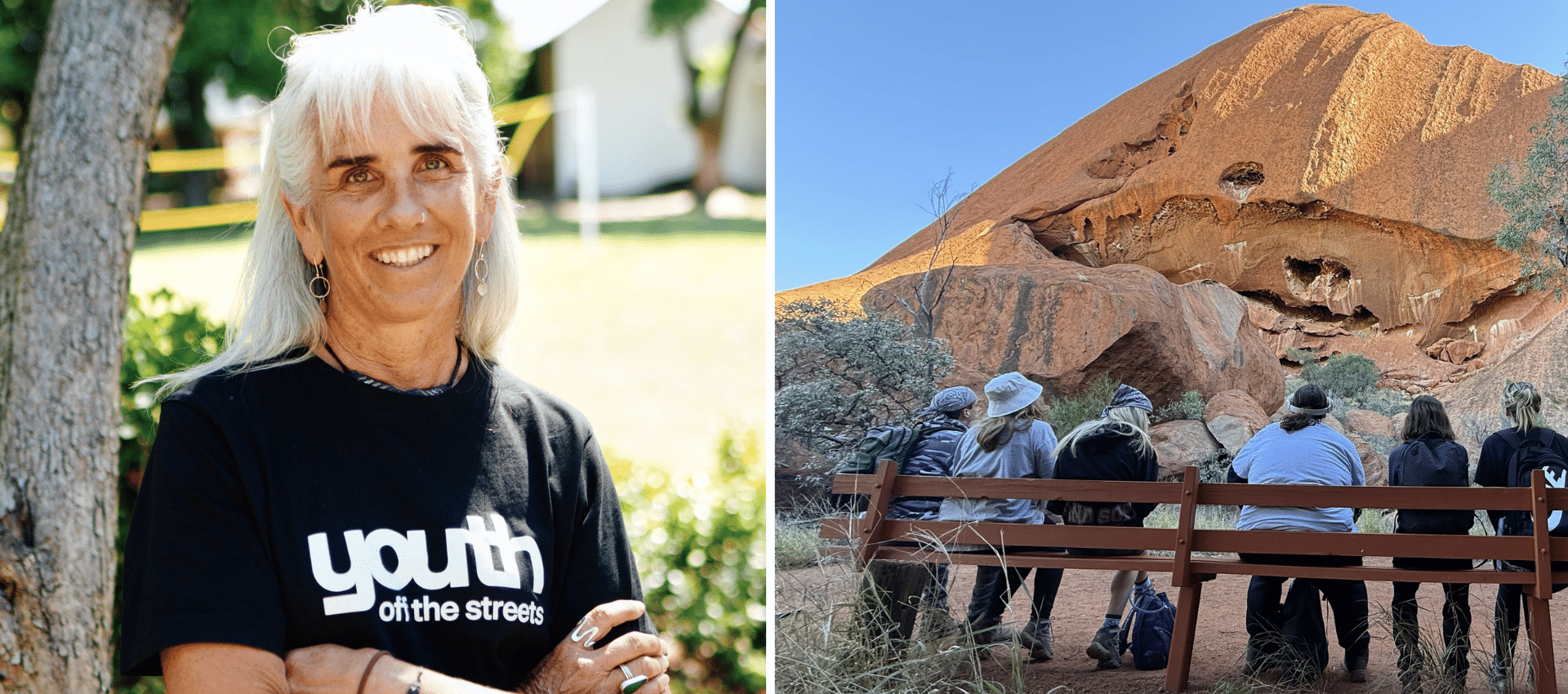
Last year, eight students working towards their Silver Award travelled to Uluru and Kata Tjuta and hiked sections of the Larapinta Trail. Twenty-five students completing their Bronze Award also travelled to Wallaginji/Lady Musgrave Island, exploring stunning marine environments and learning to be self-sufficient while camping.
These shared efforts – between staff, schools and students – lay the foundation for the life-changing journeys that follow.
Not just an adventurous journey
While undertaking an adventurous journey is a significant part of the Duke of Ed, for many students, building up enough hours is the biggest hurdle.
“Often the students will say that the hardest part about achieving the Duke of Ed Award is getting their hours,” says Jenny Dowley, Teacher and Sport Coordinator. “But because it is so difficult, the sense of achievement they get is immense.”
While Jenny coordinates the Duke of Ed program, Award Leaders are on the ground with students, helping them log their hours and stay on track.
 Award Leaders are assigned to each participating student, ensuring that they are supported to achieve the Award.
Rachel Freeburn, Student Learning Support Officer at EDEN College, is one of these Award Leaders.
“As an Award Leader, I’ve been trying to tie the hours they log for Duke of Ed as much as possible into the work they’re doing at school,” says Rachel. “When the students do their personal interest project, those hours can be logged as skills.”
Personal interest projects vary widely – from interior design to hairstyling to carpentry – giving students agency over how they commit their time.
The program’s voluntary service component is just as accessible, with service-learning already embedded in the Youth Off The Streets education model.
“Having the young people exposed to childcare, aged care or working with animals opens up possibilities for them,” says Jenny. “There are many students who have said they didn’t know that they wanted to work with animals until they volunteered at the RSPCA or until they went to Lady Musgrave Island and saw the beautiful wildlife and environment there.”
“A lot of our students haven’t been able to do things for themselves,” adds Rachel. “But with Duke of Ed, when they’re logging their hours for their physical activity or volunteering, they’re achieving that for no reason other than they want to do it.”
Strengthening bonds across Youth Off The Streets schools
Doing an adventurous journey is a huge feat – and so is organising one.
“The staff end up having to work really closely with each other to plan these adventurous journeys, because we’re not just looking after the young people we support day-to-day, we’re also supporting students from other Youth Off The Streets schools,” says Jenny.
Behind every trip is months of preparation: working through risk assessments, holding weekly logistics meetings and organising equipment like hiking boots and thermals for students to pack.
Importantly, the students themselves are part of this process.
“We talk through everything, but then it’s up to the students to do things like meal planning and the grocery shop,” says Jenny.
Preparation also includes building confidence and stamina over time, such as monthly practice hikes to prepare for the Larapinta Trail.
“Between organising and doing these practice hikes and then going on the adventurous journeys, the staff build this camaraderie with each other as well as with the students from all our different schools,” says Rachel. “The students feel safe in that new environment because they built these relationships through these repetitive interactions.”
Stepping up: The impact the program has on young people
For many students at Youth Off The Streets schools, the Duke of Ed adventurous journey is unlike anything they’ve experienced before.
“Most of these young people have never been away from home before and we’re asking them to come away for four nights,” says Jenny. “Most have never been on a plane, lots of them are struggling with mental health challenges – and they’re trusting us.”
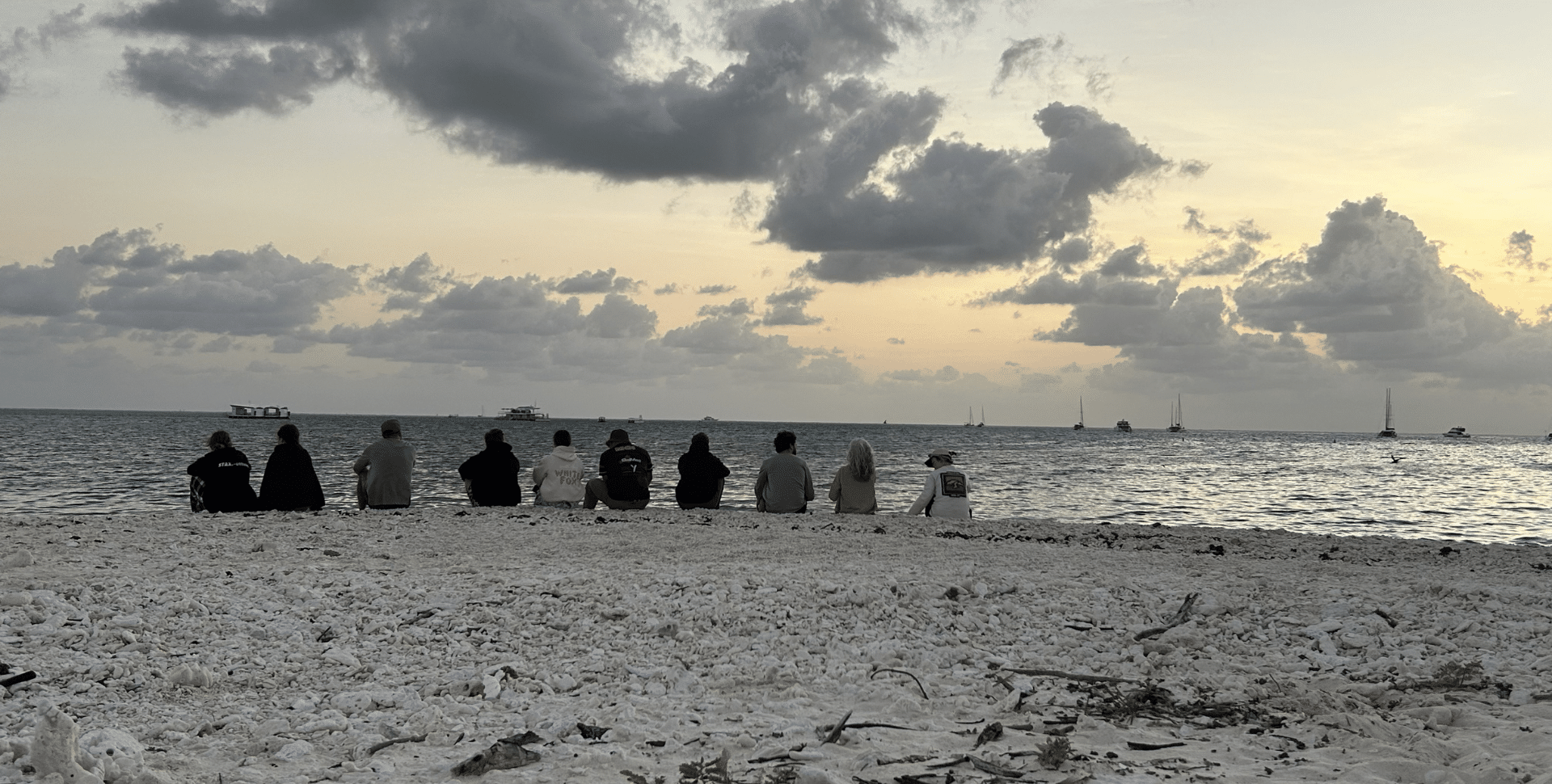 Students pursuing a Bronze Award travelled to Wallaginji/Lady Musgrave Island.
Thanks to grants from the Duke of Edinburgh designed to support young people experiencing disadvantage, the program is free to students – an important step in reducing barriers to participation.
“It breaks down these barriers because all of a sudden they’re in a really unfamiliar environment, having to rely on and trust each other,” says Jenny. “The young people just naturally step into that and work as a team.”
On the adventurous journeys, learning happens everywhere: in the landscape, in the planning and in the way young people work together.
“There’s all this incidental learning about the environment and ecosystems, as well as the planning, maths, problem solving and relationship management – which I think is the best way to learn,” says Jenny. “It reinforces that education doesn’t just happen in the classroom. Life is education.”
One of the most powerful examples of this came during the adventurous journey to Uluru and Kata Tjuta.
“It was my first time going to Uluru and one of our First Nations staff had never been either,” says Rachel. “It was such a culturally significant moment for her. Seeing her share her connection to Country and watching the students really take in how important that experience was for her was incredible.”
As she walked barefoot around Kata Tjuta, the students quietly followed her lead, removing their shoes too.
“Having these shared experiences does so much for strengthening relationships between the students and staff,” says Rachel.
The transformation isn’t just observed by staff – the students feel it.
“After this trip, I think I’m more comfortable getting out of my comfort zone,” says Dylan*, a student who went on the adventurous journey to Uluru and the Larapinta Trail last year.
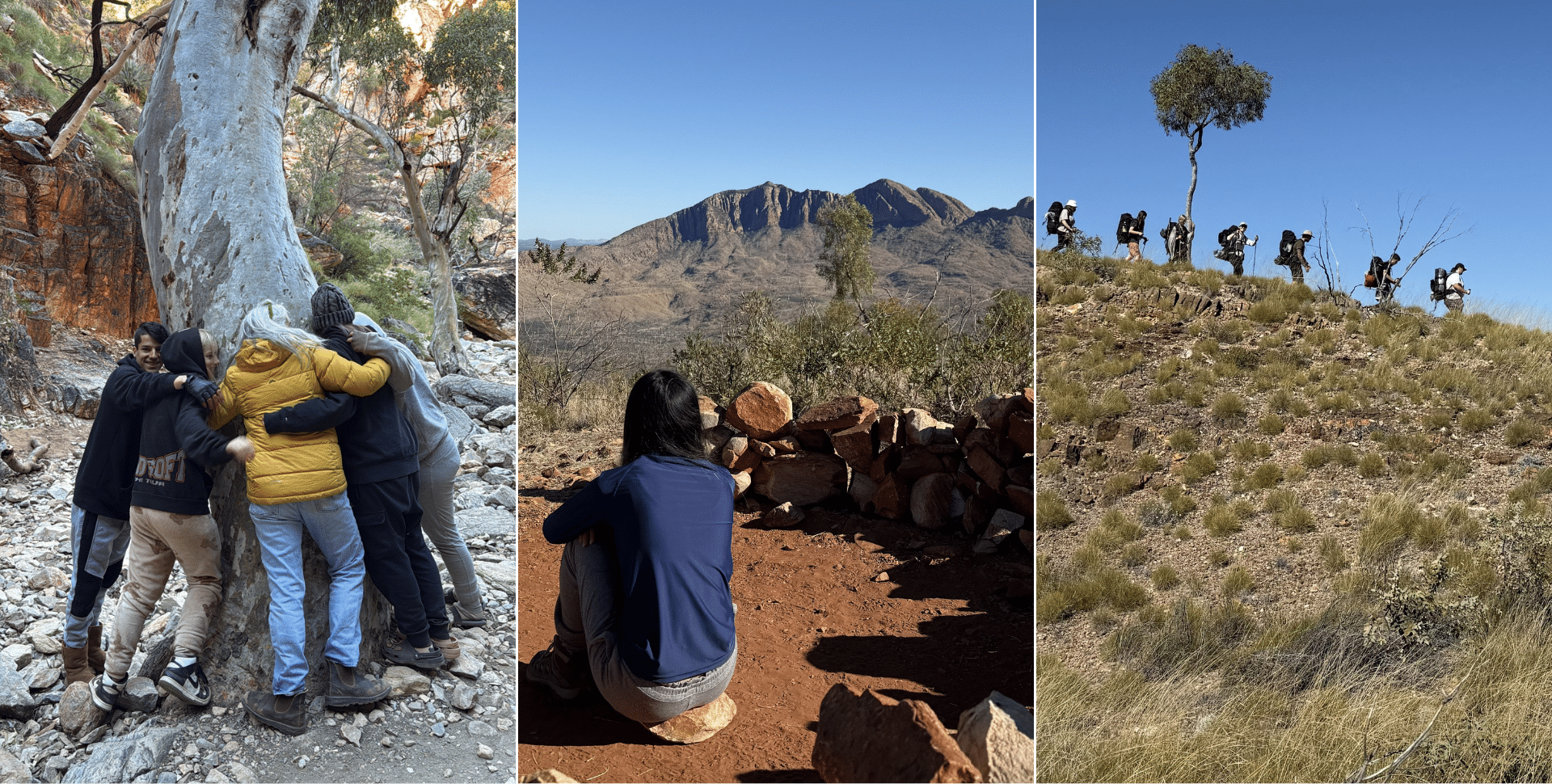
Students pursuing the Silver Award travelled to Uluru and Kata Tjuta and hiked sections of the Larapinta Trail.
Other students on the same trip describe similar realisations.
“If I’m always telling myself that I can’t do something or don’t want to do it, I’m just going to stay stuck,” says Taylor*.
Following the trip to Lady Musgrave Island, Rashad* says, “I can motivate myself a lot more if I actually try to motivate myself to do something – and then I can fully appreciate the little things more often.”
A key part of the Duke of Ed’s success over the years at our schools comes from empowering young people to step up.
“We step back and let the students take the lead,” says Jenny. “I don’t think they get a lot of opportunities for adults to step back: to be present for their safety but still allow them to do what they want to do.”
The changes staff see over time are unmistakable.
“Seeing their growth from Bronze to Silver is mindblowing,” says Jenny. “We have really high expectations for them and those expectations rise the longer they do Duke of Ed – I’ve found the young people just step up to the challenge.”
“The students work so hard to achieve their Duke of Ed Awards – they put their hands up and, with our support, they follow through with what they said they’re going to do.”
As Hunter Bould, Teacher and Award Leader at Bowen College, puts it, “Duke of Ed is one of those things that’s going to push you past what you thought you were able to do and just reinforce that for the rest of your life.”
*Names changed to protect the privacy of the young people.