The Dunlea Alcohol and Other Drugs (AOD) Youth Service delivers a focused, high‑impact program for young people aged 12–24 across Western Sydney. Over 12 weeks, the team’s four specialists provide a powerful mix of casework, counselling, family support, harm‑minimisation strategies and coordinated aftercare to help young people create meaningful change.
Each year, they work with around 160 young people – though the ripple effect of their support often touches many more lives.
“We don’t deny support to anyone,” says Dunlea Team Leader, Sabrina Misela. Even if people are outside the age range the team works with, they will always provide support and refer to other local programs that can help.
The service is completely voluntary, open to self‑referral and grounded in a non‑judgemental, youth‑centred approach.
One young person who self-referred to the service is Joe*.
“I was 16 when I first tried weed,” he says. “Back then, it was something fun to do with friends. But what started as fun slowly turned into something I relied on. Over time, I started smoking more and before I knew it, I became dependent on weed. Then, about a year ago, I started using ice [crystal methamphetamine].
“At first it was just once a week, usually during ‘party and play’. Eventually, I hit a point where I wanted to change.”
As Joe describes it, the risks with his substance misuse were high but “the reward was nothing”.
“I had no job,” he says. “Things weren’t going right – the family situation was toxic. I still felt childhood trauma creeping up on me and I was struggling with disconnection from my culture.”
Opening up at Dunlea was a turning point for Joe. “Opening up about everything – my drug use, my mental health, my health issues – it was powerful. It was the first time I felt accepted,” he says.
Casework: Collaboration and safety
Upon intake, Joe’s AOD caseworker Carlia Demaio co-created a 12-week plan with him. This is the process for every young person at Dunlea, ensuring each plan reflects individual goals and priorities.
“Each week we’ll go through it, see what worked, see what didn’t,” she says. “It’s also based on any achievements, any setbacks – it becomes our roadmap and support tool.”
Rather than insisting on abstinence, the Dunlea approach is pragmatic and prioritises harm minimisation. Together, Carlia and Joe identified high‑risk contexts, such certain peers and party‑focused environments. Then a priority becomes practicing “go‑to responses” through role‑play and planning safer ways to navigate situations when substance use is likely.
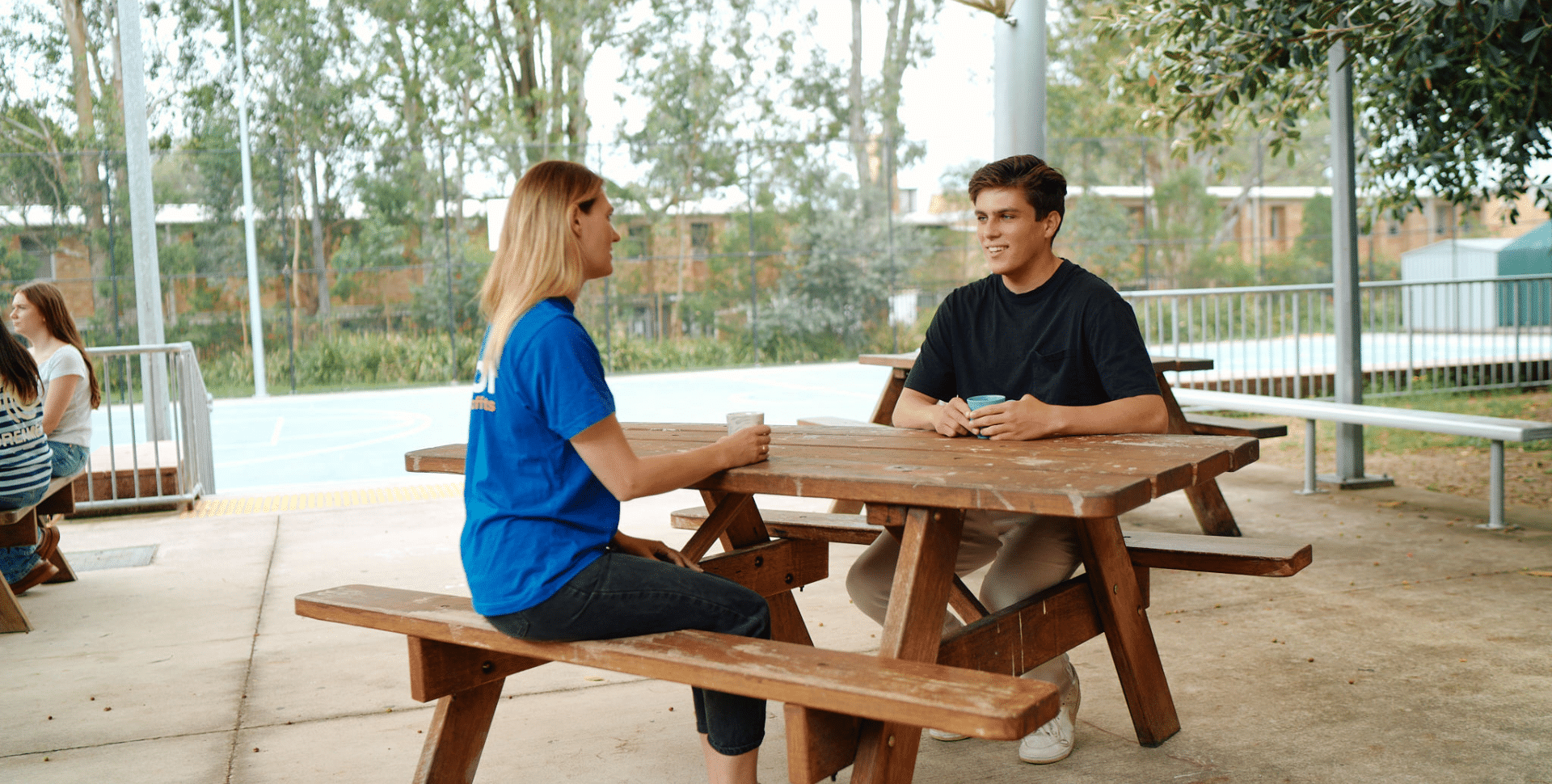
“We don’t tell young people ‘drugs are bad, stop doing that’,” says Carlia. “It’s about accepting what’s happening and making sure they aren’t at risk, or putting anyone else at risk, if they do use.”
Engagement is also personalised. For one young person, Carlia used a creative ‘Recovery Uno’ tool – each colour prompting conversations on relapse prevention, reflection, strengths and harm minimisation – transforming a familiar game into meaningful health dialogue.
Counselling: Evidence-based and trauma-informed
AOD Counsellor Sylvia Ziso begins, continues and ends every young person’s treatment program with psychometrics – including the Severity of Dependence Scale (SDS) and Kessler‑10 (K10) – to demonstrate reductions in dependency and psychological distress.
“These aren’t just numbers,” she says. “They guide our work with the young person and track their progress over time.”
AOD counselling explores the various functions of each substance for many young people. Cannabis is often misused for autism symptom management; ice for connection, belonging and confidence in social settings. Understanding these functions allows the team to focus on targeted replacement strategies, psychoeducation and motivational interviewing that respect the non‑linear nature of recovery.
As Sylvia explains, harm‑minimisation steps are specific and practical: sourcing from trusted individuals, not using alone, building sexual health protections when engaging in ‘“party and play’ situations and preparing for lapses without shame.
Sylvia regards eliminating shame as a pivotal outcome of her role. “Even if they say, ‘I want to stop’, recovery is a long process. We teach strategies to reduce harm when lapses happen,” she says. “We normalise slips because there’s so much shame. Shame becomes a blockage to change.”
Family casework: Consent‑based involvement and reunification
Where appropriate, and with the young person’s consent, families are invited into the AOD counselling process. The focus is practical: collaborative goals, regulation strategies for disruptive behaviour and accessible education. The aim is sustainable support beyond Dunlea’s three‑month window.
“We invite families to come and be part of the process,” says Sabrina. “They don’t have to know everything behind why substance use is happening, but it helps them support their young person moving forward.”
With the end of the program always in view, Dunlea operates within a collaborative ecosystem – rehab centres, detox programs, other AOD providers, Youth Off The Steet’s Western Sydney Engagement and Support team, our First Nations team and more – to ensure continuity once the 12‑week program ends.
Joe is now in a safer situation and attributes his reduced drug use to the Dunlea program.
“Dunlea helped me see what further support I can receive for spiritual and cultural connection. I secured good temporary accommodation. I began to look for work and now receive more appropriate financial support.
“I stopped using ice and I know how to work on preventing relapse,” he says.
“I have a good understanding of where to get help and I feel more confident in building a better future for myself.”