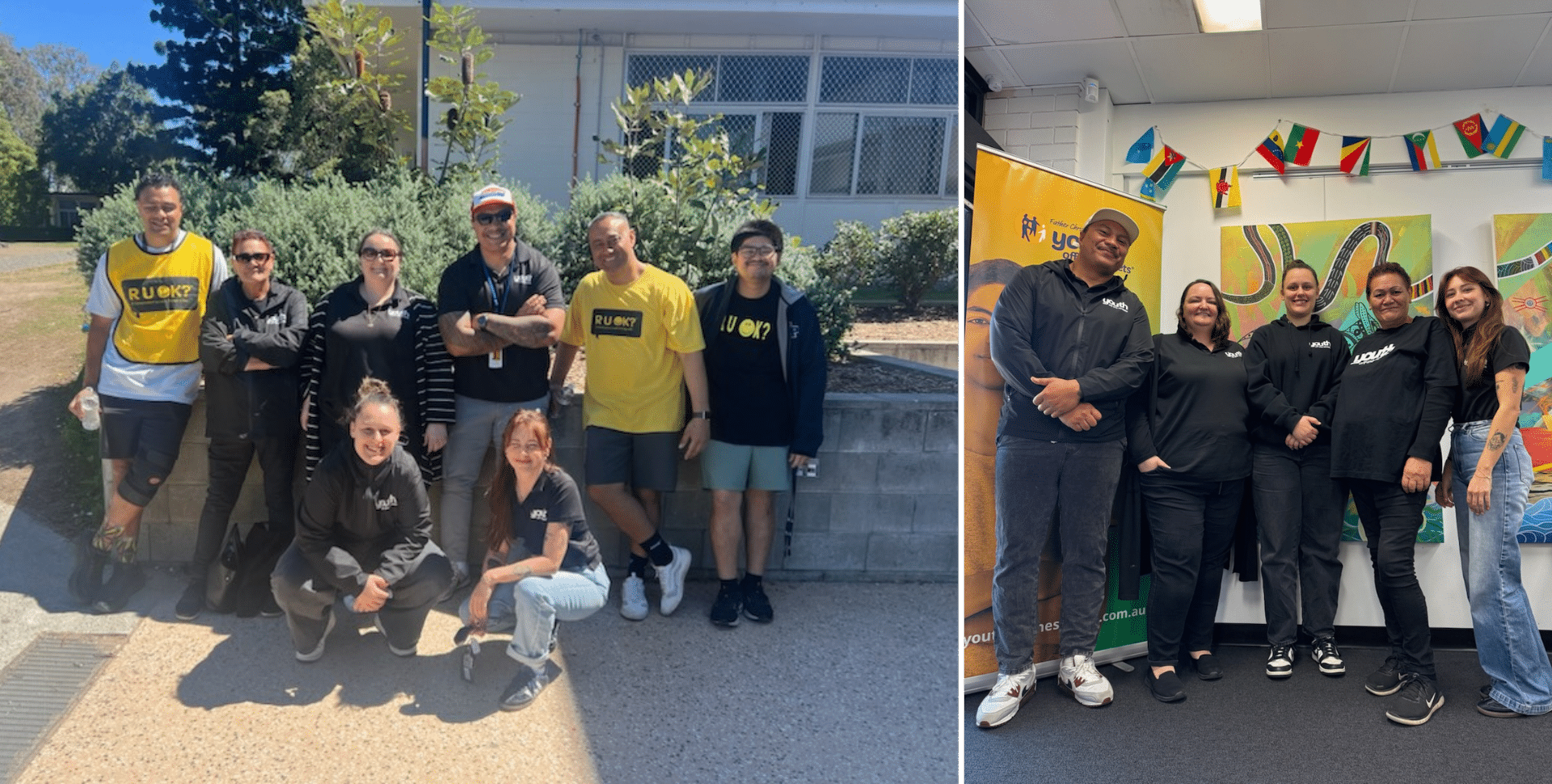
Every week, our Logan team is out in the community delivering school-based programs, hosting outreach events and offering one-on-one support to young people who need someone in their corner.
“Our team in Logan is delivering a range of free early intervention programs and community-based initiatives designed to support children and young people in making positive life choices,” says Tess Laybourn, Youth Off The Streets’ Logan Team Leader. “Our programs are about building resilience and strengthening community connections.”
All programs in Logan are free and delivered through outreach and in schools, ensuring accessibility for children and young people who want support.
One of these programs is Aspire to Inspire, a behaviour-change program delivered in classrooms. “The program empowers children and young people to make positive life choices and teaches them to emotionally regulate,” says Tess. “It’s facilitated by trained staff who can connect young people to additional support services when needed.”
Youth Off The Streets: Wrestling with a disempowering youth justice system
Another key initiative is RAGE (Renavigating Anger and Guilty Emotions), a six-week anger management course for young people. “This program is designed to help children and young people understand and manage emotions constructively,” says Tess. “It’s strengths-based and solution-focused.”
The impact of culturally responsive care
For our Logan team, culturally informed initiatives are central to building trust and being responsive to the diversity of young people’s backgrounds, beliefs and experiences. A significant number of young people in Logan identify as Māori or Pasifika, many of whom face challenges in mainstream education such as low attendance and limited cultural representation in school curriculums.
Recognising this, a Māori Elder in the team delivers the Kapa Haka cultural program, which connects young people to culture through song, dance and tradition.
Are you looking for First Nations cultural support? Learn more here
This year, more than 50 high school students participated in the program. The outcomes speak for themselves: 93.75% of participants said the program helped them feel connected to their culture and 100% reported feeling proud of their heritage, saying they were able to build friendships through the experience.
“The pride and connection the young people felt was evident not only in the survey results, but in the energy and emotion of the Multicultural Event performance,” says Tess.

Young people in Logan performing at a Multicultural Night as part of the Kapa Haka program.
Creating connection
Social isolation among young people is emerging as a public health concern, with research showing that 43% of young Australians aged 15–25 feel lonely. That’s more than two in five young people.
To address this, the Logan team runs a drop-in centre, offering a welcoming space for children and young people to connect with youth workers and each other.
“Our outreach events create a space where children and young people can breathe,” says Tess. “For many, life is full of pressure: school expectations, family stress and uncertainty about the future.”
“When they come to outreach, they get a chance to relax, play and connect with peers.”
Providing safe, engaging spaces for connection is just one purpose of outreach.
“We also tackle a very real issue in Logan: food insecurity,” says Tess. “Each week, we provide a free barbeque and make sure leftovers go home to families who need them.”
“It’s not just about a meal; it’s about dignity and relief. Young people know we’ll be there every week and that consistency matters.”
“It builds trust and gives them something stable in a world that often feels unpredictable,” says Tess.
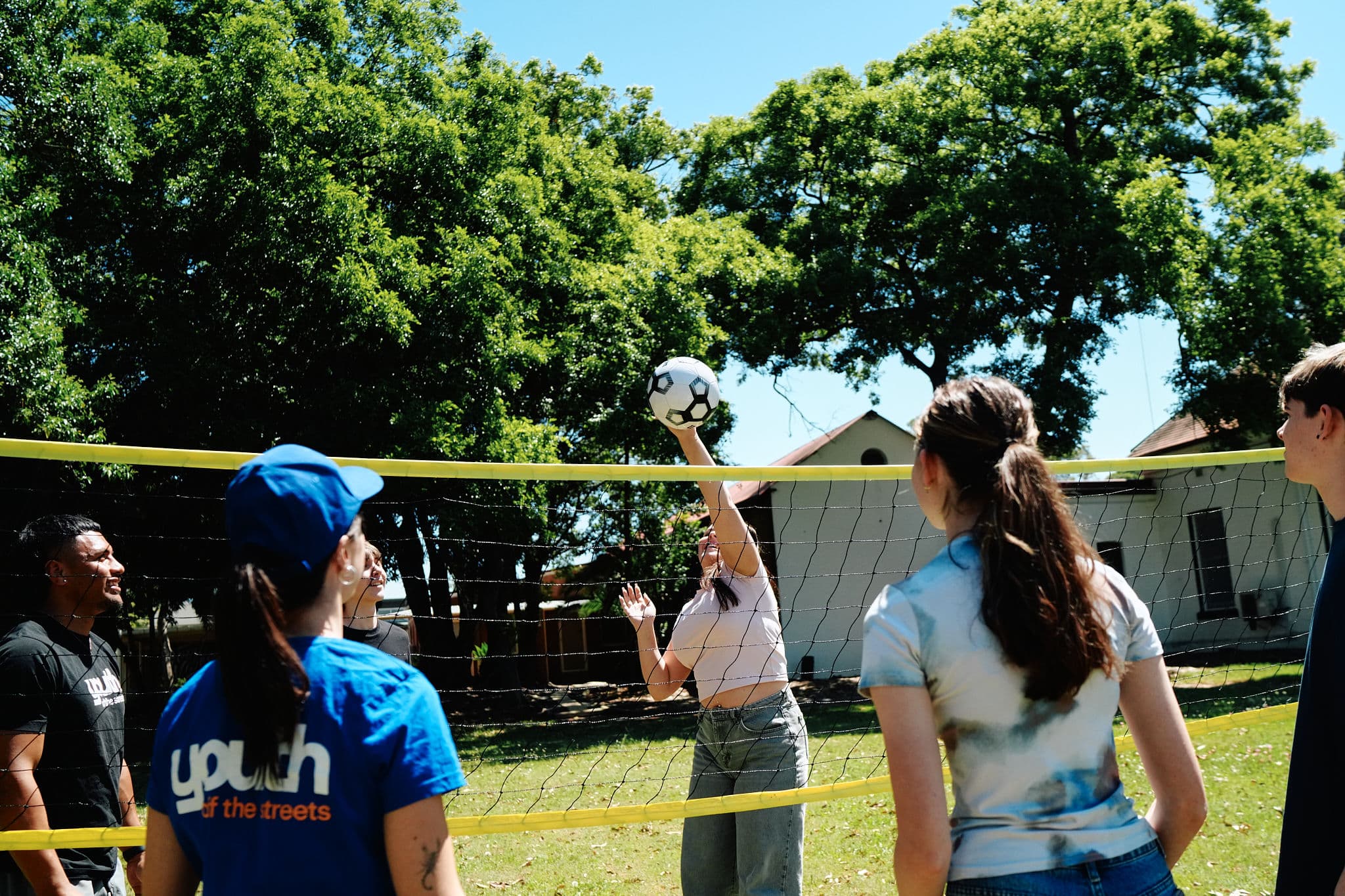
In 2024, over 2,177 children and young people were provided with recreational and skill development activities, culturally focused education and wellbeing activities.
Meeting urgent needs
Logan isn’t immune to the rising cost of living impacting many Australian regions.
“Families are under immense financial strain and this pressure is forcing children and young people to take on responsibilities well beyond their years,” says Tess. “Many are stepping into caring roles for younger siblings as parents work longer hours, while others are seeking employment themselves to support the household.”
For many young people in Logan, these added responsibilities often mean missing school or disengaging from education altogether.
Housing instability is compounding the problem, with homelessness and overcrowded living situations becoming more common among young people.
“We’re currently supporting a growing number of young people in Logan who are experiencing homelessness, many of whom are rough sleeping without access to basic items like tents, sleeping bags, warm clothing or hygiene supplies,” says Tess. “With local homelessness services at full capacity, these young people are especially vulnerable.”
“We’re doing everything we can to meet their immediate needs.”
What would happen without our programs in Logan?
“Without Youth Off The Streets initiatives in Logan, many young people would miss out on the consistent, strengths-based support that helps them navigate some of life’s toughest moments,” says Tess. “Our programs play a vital role in creating opportunities for children and young people who may be disconnected from school, experiencing housing instability or facing challenges like family breakdown, mental health concerns or justice involvement.”
Providing a safe, trusting relationship is key to checking in with young people and believing in their potential.
“Through our case management, outreach, school-based programs and drop-in support, we offer more than just practical help,” Tess adds. “We create connection, build confidence and walk alongside children and young people as they take steps toward the future they want.”
“We help bridge the gap between crisis and stability, empowering children and young people to feel seen, supported and capable of creating change in their own lives.”
What’s made the difference?
Recently, our Logan team was named as a finalist for the Queensland Child Safety Community Awards and exceeded their own targets for supporting young people by 20 per cent.
“The Logan team’s recent success is a direct result of our consistent, person-centred approach,” says Tess. “What’s made the difference is our ability to build strong, trusting relationships with children and young people and respond flexibly to their needs.”
“We show up, we listen and we follow through.”