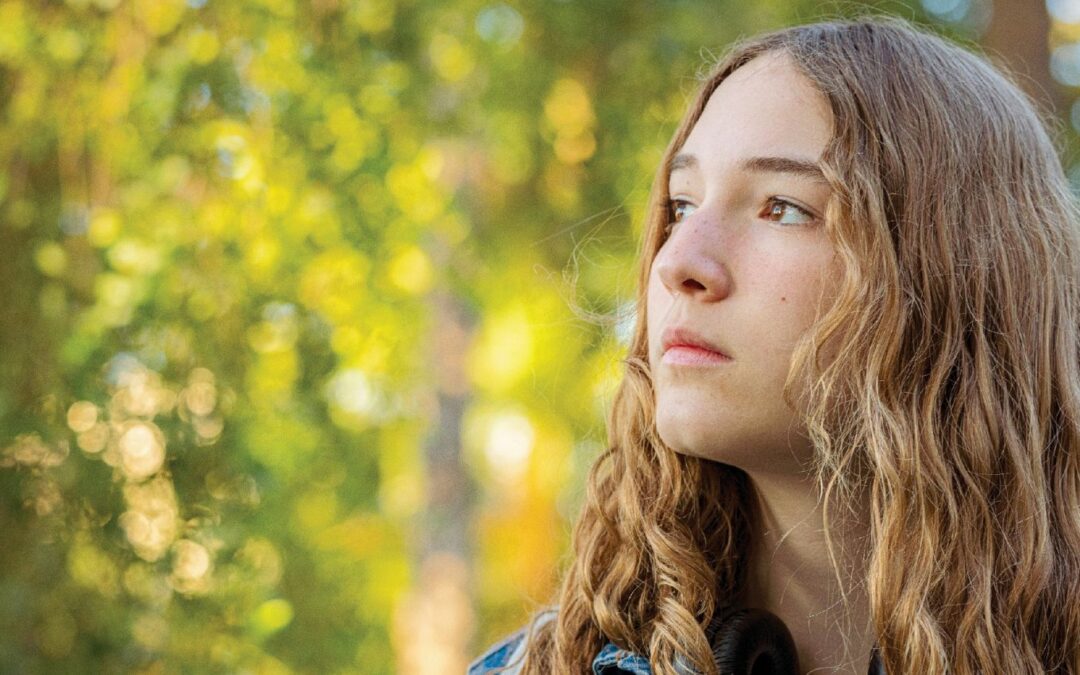

Jack* was struggling to navigate the legal system when he was first referred to Youth Off The Streets.
After experiencing domestic and family violence and drug misuse at home from a young age, he found it difficult to manage his stress and trauma.
He began displaying disruptive behaviours and was apprehended by the police at the age of ten – his first encounter with the youth justice system.
A few years later, Jack was connected to Youth Off The Streets. Our Engagement and Support team supported him to navigate the legal system through advocacy and court appearances.
The team worked closely with him – including providing him with meals throughout the week – and discovered more about his cultural background and history. They learned about his family’s intergenerational trauma and Jack’s disconnection from culture, Country and community as a First Nations young person.
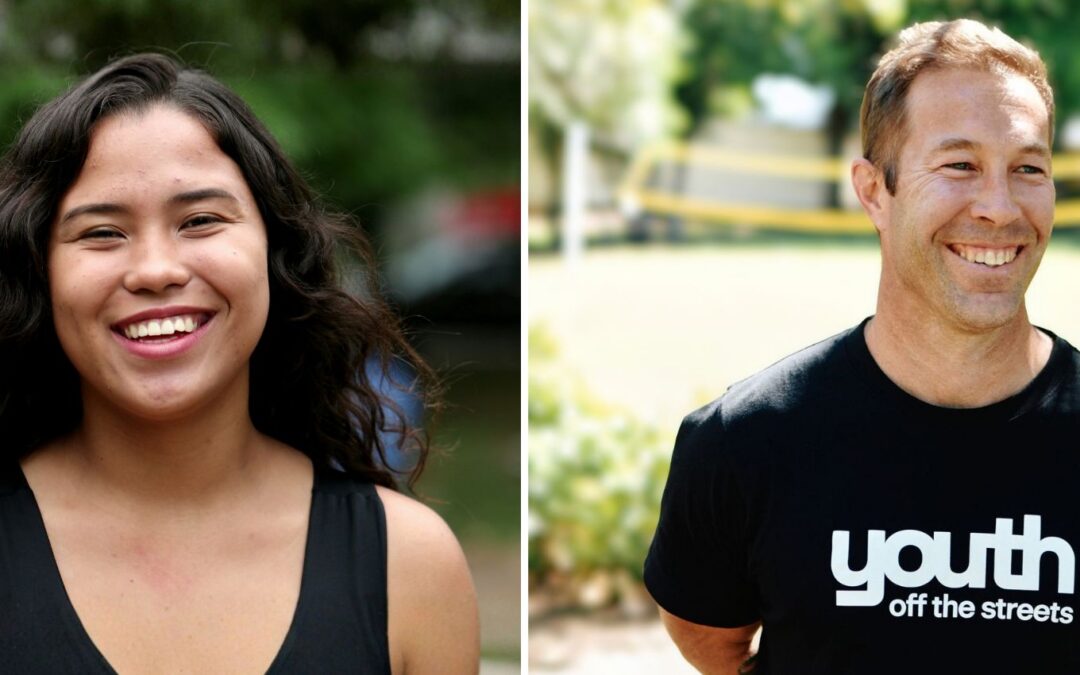
Our Aboriginal Mental Health Advisor, Rikka Lamb, personally understands the challenges of this experience.
“For Aboriginal people, if you lose that sense of identity – you’re sort of like a lost soul walking around.”
“Even for myself – I’m off Country, and at times I need to go home and put my feet on my land because I can feel that sense of connectedness.”
Youth Off The Streets provides holistic support to all the young people we work with. Our Cultural Services team understands how important culture and connection are in providing First Nations young people with meaningful opportunities to achieve their potential.
“A non-Indigenous counsellor may not understand the trauma that many of these Indigenous young people have faced. An Aboriginal service – where you have Aboriginal staff that understand – is the best approach to working with a young Aboriginal person.”
Seeing his lack of connection to community, Jack met with our Cultural Services team, which provides a range of cultural support services to Aboriginal and Torres Strait Islander young people. Their unique programs aim to restore kinship and familial bonds in a holistic manner.
Our programs include connecting young people to family when they are off-Country – or when they are within the justice system – and cultural education workshops with topics ranging from Aboriginal medicine, plants and more.
The Cultural Services team took Jack through an individual cultural mapping assessment to help uncover his sense of cultural identity. With family-inclusive case management, they built a cultural plan that would fit his and his family’s needs.
They were able to connect Jack to a family-centred yarning circle that engages First Nations young people, their families and Elders to solve problems and make positive changes.
He also attended several cultural support camps that gave him the opportunity to have genuine experiences with culture and community on Country.
With holistic support from the Youth Off The Streets team, Jack was able to build stronger foundations in his culture, identity and education, which enabled him to break the cycle of disadvantage.
Jack has since completed an apprenticeship and is building a positive future for himself and his young family.
Learn more about our Cultural Services team and how they support young people.
*Name changed to protect the identity of the young person