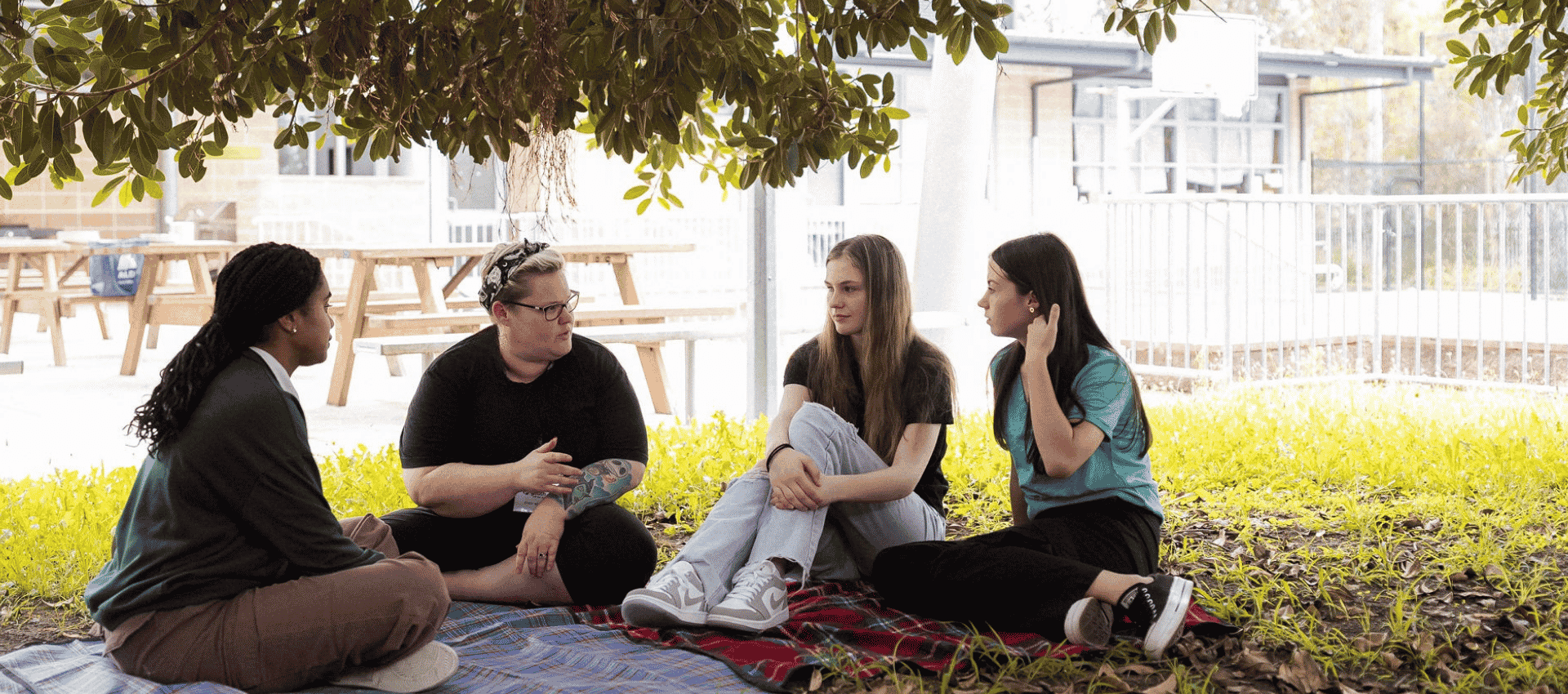
Every week for 12 weeks, young people experiencing alcohol or drug misuse can connect with peers and receive judgement-free support through the Self-Management and Recovery Training (SMART) program.
SMART is a peer support group where young people can come together and talk about the behaviours they’re trying to change or manage.
“It’s mostly for addictive behaviours, such as alcohol or drug use, but it’s open to young people who have other things they’re trying to work on,” says Sylvia Ziso, an Alcohol and Other Drugs (AOD) Counsellor at Youth Off The Streets’ Dunlea AOD Youth Service.
The program is built around four pillars: building and maintaining motivation; coping with urges and cravings; managing thoughts, feelings and behaviours; and living a balanced life.
“Any behaviour that a young person is trying to change, regardless of the severity of their alcohol or drug use, will usually fall within or between these things,” says Sylvia.
Read: Converting compassion into change: Our alcohol and drug program
Each week, the group focuses on one pillar. For example, when exploring coping with urges and cravings, participants identify when and where they experience them and what is happening in their environment at the time.
“Often, participants will find they’re turning to substances to cope with feelings of discomfort,” says Sylvia. “When we help them recognise patterns in their use, they can begin addressing the underlying causes of those feelings – and, in turn, their substance use.”
While SMART groups are held at the Dunlea AOD centre in Western Sydney for anyone who wants to take part, the team also runs the program online and at schools, including Youth Off The Streets schools, to make it more accessible for young people.
Connecting through experience
While Sylvia is there to facilitate, provide structure and maintain a safe space in the group, the program is designed for young people to learn from each other.
“Everything is coming from the group,” says Sylvia. “It’s a peer support group because all your peers are helping you.”
When a young person shares a challenge – such as struggling to control their substance use at a party – Sylvia opens it up to the group, inviting others to reflect and respond.
“Their peers have lived it,” she says. “Others in the group often understand exactly what they’re going through, so they receive advice from them really well.”
“What I’m trying to do as a facilitator is build the capacity of young people to help themselves, rather than telling them what they should do.”
Setting achievable goals
Every session, young people set a goal for the next seven days. Short-term goals are more achievable and put less pressure on participants.
“Because some of these young people have been using substances for a long time, the idea of completely stopping feels impossible,” says Sylvia. “With smaller goals, the intention is to have one thing to aim for and a few changes to support it.”
These goals vary. For one participant, it might be reducing cannabis use during the day and only using it at night. For another, the focus might be more focused on healthier routines, such as cooking one proper meal per day. Some young people explore alternatives to support their goals, like seeing a doctor for sleep support or adjusting their bedtime to make it easier to attend school.
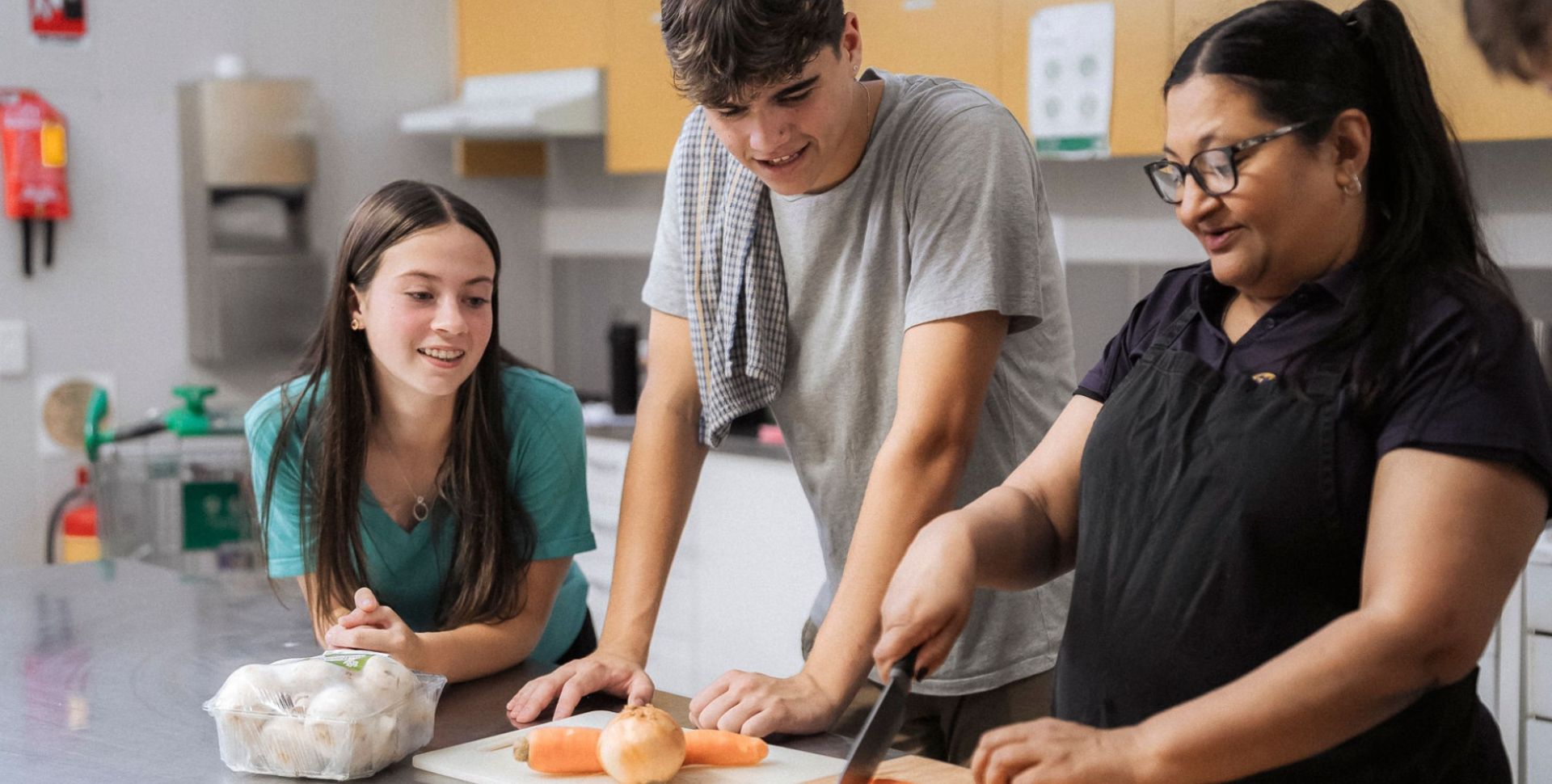
Setting small goals provides young people with a sense of achievement every week.
Each week, the young people share how they went in a judgement-free space. Not everyone achieves their goal – and that’s okay.
“When goals aren’t reached, we think about why, adjust the goal if needed and try again next week.”
When small goals are reached, a young person’s progress is much more visible, letting them appreciate every win – regardless of how small it is.
Building healthy routines
A key focus of SMART is helping young people build more balanced, fulfilling lives.
“We focus more on building routines, relationships, goals and activities rather than talking about wellbeing more generally,” says Sylvia.
For many participants, this can be a significant shift.
“A lot of the young people who come to the sessions don’t have hobbies or interests outside of substance use,” says Sylvia. “They rely on drugs or alcohol to feel good.”
To address this, Sylvia introduces practical ways to reintroduce positive activities into everyday life. Young people are encouraged to reconnect with friends and try new experiences.
Read: Jenny’s* story: “I am now more mature, responsible and respectful”
The team also shares an “enjoyable list” of activities to help spark ideas. Participants can choose what appeals to them – such as a sport, creative outlet or lifestyle change – and gradually build a new routine around those interests.
Having enjoyable, meaningful activities in young people’s lives is key to sustaining change. It helps fill the gap left when substance use is reduced while also rebuilding a sense of identity, connection and purpose.
From resistance to growth
Over time, Sylvia notices clear shifts in the young people supported by SMART, with participants becoming more respectful, engaged and open to support.
“The first sessions are always hard,” says Sylvia. “Often the young people are quite defensive. But over time, they start to take the program seriously.”
Often, a young person will participate in the program through encouragement from a parent, carer, caseworker or another trusted adult. As their confidence grows, so does their motivation to participate.
“Eventually, we see that young people start to come without an adult asking them to,” says Sylvia. “They’re excited to come – particularly when they see progress – and they begin having more meaningful conversations as a group.”
The participants also find sharing advice, experience and knowledge is beneficial in and of itself, too.
“They realise that they’re not alone in what they’re going through,” says Sylvia. “It empowers them to be there for their peers and to be open to receiving support as well.”